
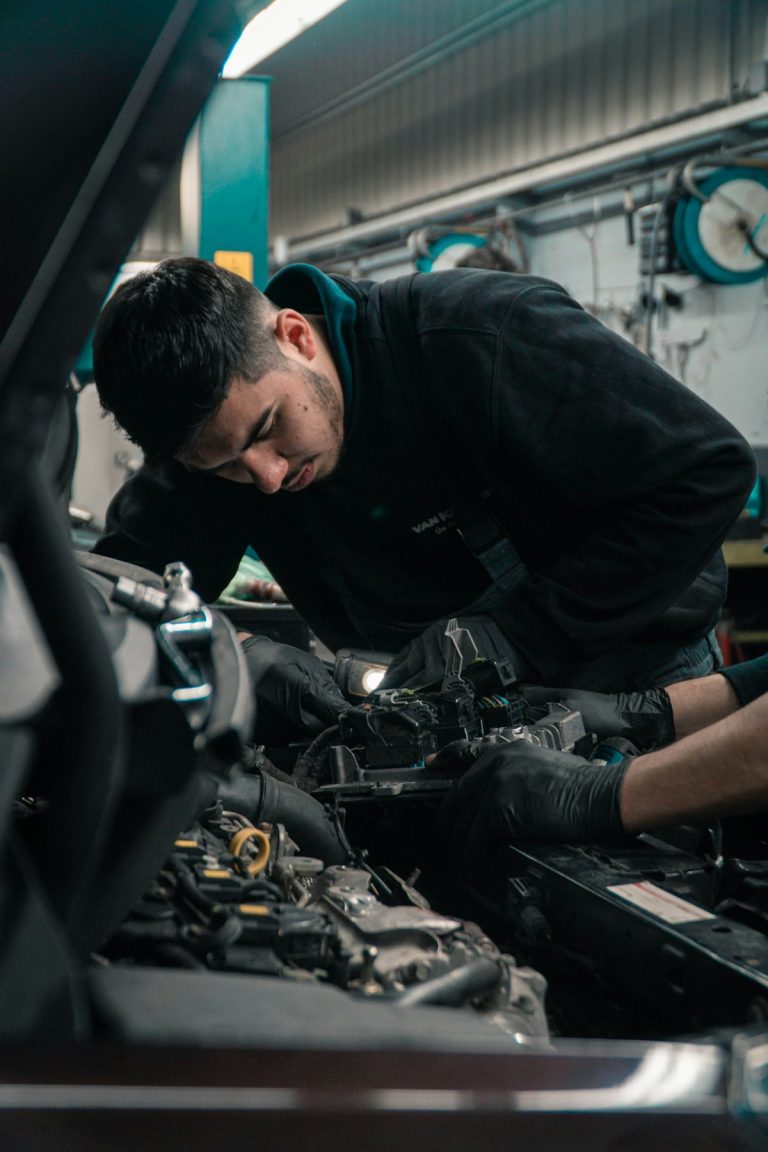
What to do if your car fails its MOT
Finding out your car has failed its MOT is frustrating, but it is more common than most people realise. Around one in five UK cars fails every year. Here is…

Car battery: how long does it last and when to replace it
The car battery provides the electrical power to start the engine and supports the electrical system when the alternator is not running at full output. Most batteries have a lifespan…
Run-flat tyres explained: the pros, cons and what to know
Run-flat tyres are standard fitment on a growing number of new cars, particularly BMW, Mini and some Mercedes models. They look almost identical to conventional tyres but behave very differently…
Finance check before buying a used car: what it is and why it matters
Outstanding finance on a used car is one of the most common legal traps in the private car market. Understanding the risk and how to protect yourself takes about five…

Spare tyres and UK law: what you need to know
Many drivers assume they are legally required to carry a spare tyre. In the UK, this is not the case. However, there are important rules around the spare tyres and…

Transmission fluid: when to change it and why it matters
Transmission fluid lubricates and cools the gearbox and (on automatics) operates the hydraulic systems that control gear changes. Like engine oil, it degrades over time and needs periodic replacement, though…
Car air conditioning re-gas: when you need it and what it involves
If your car air conditioning is not as cold as it used to be, or takes much longer than it used to before blowing cold air, it is likely low…

Handbrake and MOT: what the tester checks and common failures
The handbrake, sometimes called the parking brake, is checked as a standard part of every MOT. Failures on this item are more common than many drivers expect, particularly on older…
What is a car diagnostic check and what does it tell you
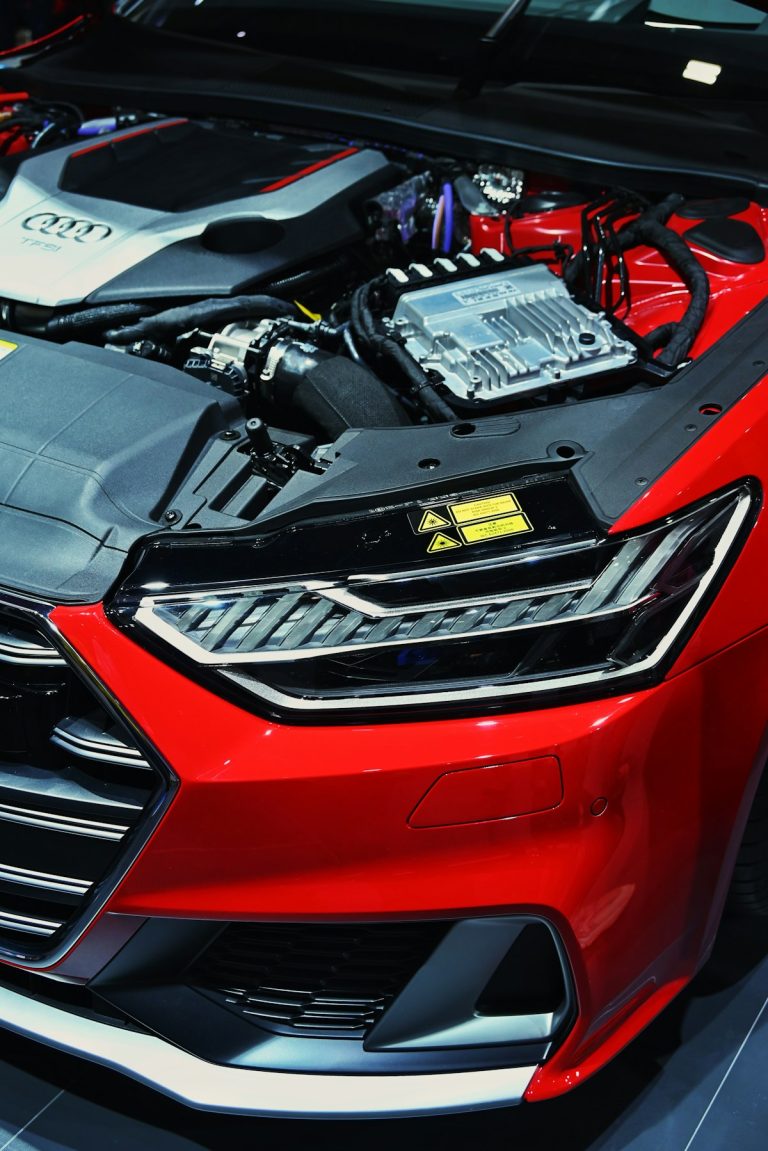
When a warning light appears on your dashboard, a diagnostic check reads the fault codes stored by the engine management system or other control units. Here is what a diagnostic…

Diesel vs petrol: which is right for your driving
The diesel vs petrol question comes up whenever someone is buying a used car, and the answer has changed significantly in the last decade. Here is a practical guide based…

Car insurance groups explained and how they affect your premium
Every car sold in the UK is assigned an insurance group from 1 (cheapest to insure) to 50 (most expensive to insure). Understanding how these groups work helps you make…

Power steering warning light: causes and what to do
The power steering warning light indicates a fault in the power steering system. Depending on whether your car has hydraulic or electric power steering, the cause and response differ. Hydraulic…
What is a pre-purchase inspection and do you need one
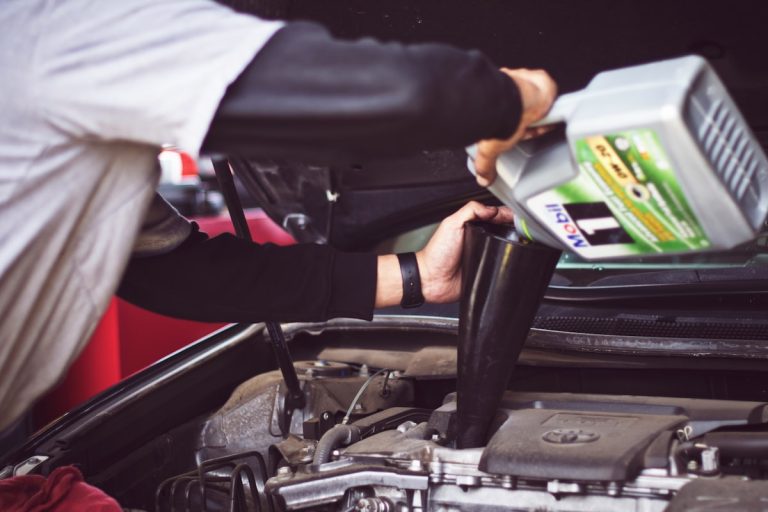
Buying a used car privately or from a dealer is one of the biggest purchases most people make. A pre-purchase inspection, sometimes called a pre-buy check, is an independent mechanical…

How to check your engine oil level and top it up
Running low on engine oil is one of the most avoidable causes of serious engine damage. Checking your oil level takes about two minutes and should be done at least…

How to jump start a car: the correct method and what to avoid
A flat car battery is one of the most common roadside problems. Jump starting is straightforward if done correctly, but the wrong order of connections can damage sensitive electronics on…

How to read a V5C logbook and what to check
The V5C is the vehicle registration certificate, sometimes called the logbook. It is issued by the DVLA and records the registered keeper of a vehicle. Understanding what it contains and…

What to check when viewing a used car
Buying a used car privately is one of the riskiest purchases most people make. A methodical inspection takes around 45 minutes and can save you thousands. Here is what to…

Car history check: what to look for when buying used
Before buying any used car privately or from a dealer, a vehicle history check is essential. These checks cross-reference DVLA, DVSA, insurance and finance databases and can reveal serious problems…

Coolant flush: what it is and when your car needs one
Engine coolant (antifreeze) does two jobs: it prevents the coolant from freezing in winter and it prevents the engine from overheating in summer. But coolant degrades over time and needs…

Can you drive with an expired MOT
Your MOT has expired or is about to. Here is exactly what the law says and what you can legally do. The short answer No. In the UK it is…

Air filter replacement: how often and why it matters
Your car has two air filters: the engine air filter and the cabin (pollen) filter. Both need periodic replacement and both affect performance or comfort when neglected. Engine air filter…
Spark plugs: when to replace them and what happens if you do not
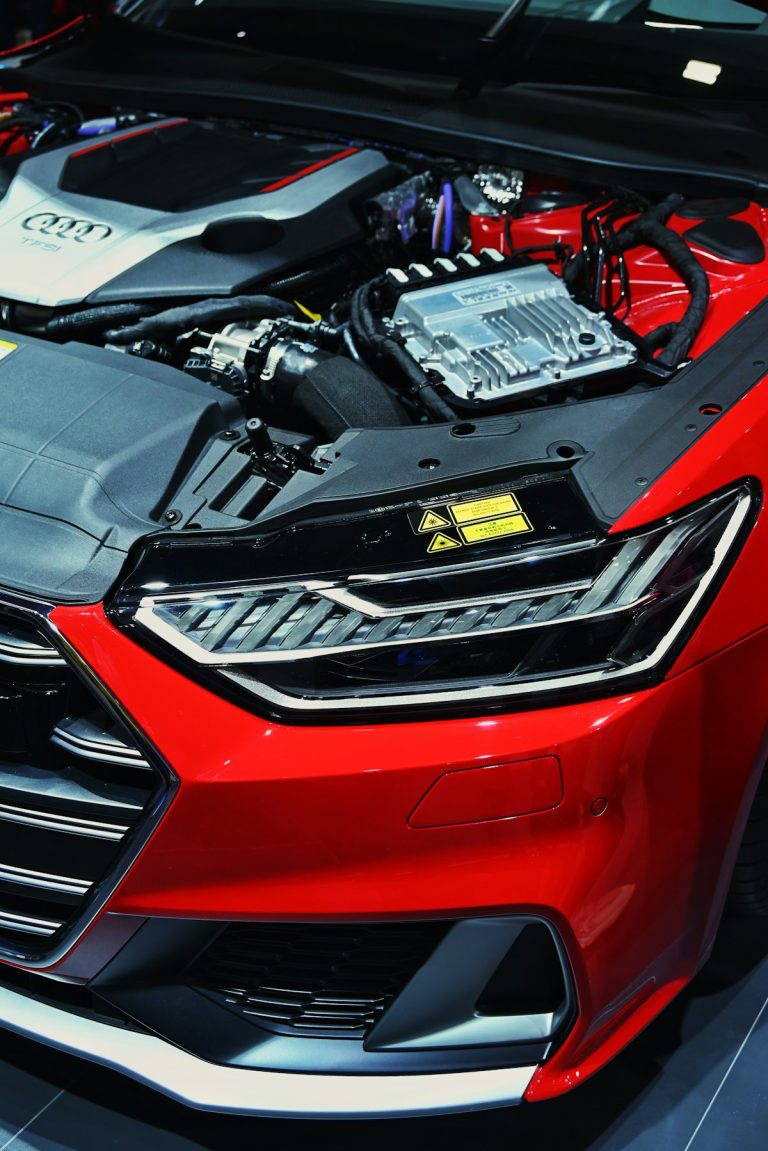
Spark plugs ignite the fuel and air mixture in a petrol engine on every combustion stroke. They are a wear item and need periodic replacement, though the interval depends on…

When to replace wiper blades and how to choose the right ones
Wiper blades are one of the cheapest and most overlooked safety items on a car. They also cause MOT failures more often than most drivers expect. How long do wiper…

How long do brake discs last
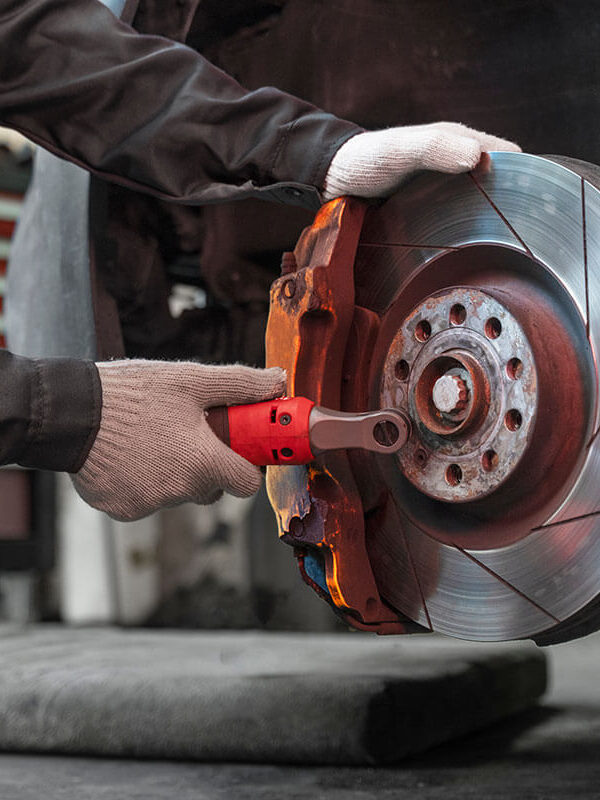
Brake discs are the metal rotors that your brake pads clamp against to slow the car. They last longer than pads but still wear over time and need replacing. Here…

ABS warning light: what it means and is it safe to drive
The ABS warning light (amber, usually showing the letters ABS in a circle) indicates a fault in the anti-lock braking system. Here is what that means practically and what you…

Coolant temperature warning light: what it means and what to do
The coolant temperature warning light (usually a thermometer symbol in red, or a temperature gauge reading H) means your engine coolant is overheating. This is a situation that requires you…

How long do brake pads last
Brake pads are a wear item: they are designed to be replaced. But how often depends on how you drive, the type of pads fitted, and how you use your…

Oil pressure warning light: why you must stop immediately
The oil pressure warning light (a red symbol showing an oil can with a drip) is one of the most serious dashboard warnings your car can show. Unlike many dashboard…
Battery warning light on while driving: causes and what to do
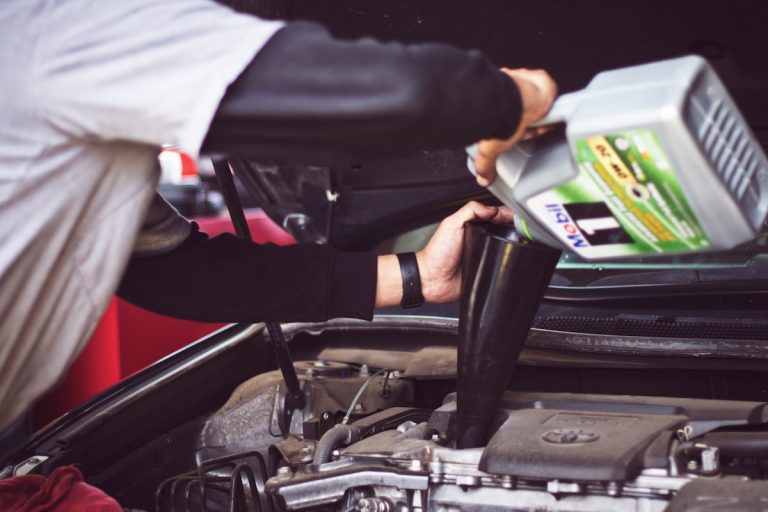
The battery warning light (a red battery symbol on the dashboard) appearing while the engine is running does not usually mean the battery itself has failed. It more often indicates…
DPF warning light: what it means and what to do
If you drive a diesel car registered after around 2009, it is fitted with a Diesel Particulate Filter (DPF). When the DPF warning light comes on, it needs attention sooner…

What is a cam belt and when does it need changing
The cam belt (also called a timing belt) is one of the most important maintenance items on a car engine, and one of the most costly to ignore. Here is…

How often should you service your car
The right servicing interval for your car depends on several factors: the manufacturer recommended schedule, how many miles you cover, the type of driving you do, and the age of…

Wheel alignment: what it is and when you need it
Wheel alignment (sometimes called tracking) refers to the angle and direction at which your tyres contact the road. When alignment is correct, all four tyres are pointing in exactly the…

What does a car service include
A car service is not a single fixed thing. The work carried out depends on whether you are booking an interim or full service, your car mileage and age, and…

Tyre pressure: what it should be and how to check it
Tyre pressure is one of the most frequently neglected aspects of car maintenance, yet it has a direct impact on safety, fuel economy and how long your tyres last. Why…

MOT failure categories: major, minor and dangerous explained
Since May 2018, the UK MOT test has used a three-tier system for classifying faults. Understanding what each category means helps you know how urgently to act on any issues…
MOT retest: what the rules are and how much it costs
Your car has failed its MOT. Here is what happens next, what the retest rules are, and how the costs work. How long do you have to get a retest…

What is SORN and when do you need one
SORN stands for Statutory Off Road Notification. It is the legal declaration that a vehicle is not being used or kept on a public road. If your car is SORNed,…
MOT advisories explained: what they mean and what to do
Your car passed its MOT but the tester has noted several advisories. What do they actually mean, and do you need to act on them straightaway? What is an MOT…

The most common MOT failure reasons and how to avoid them
According to DVSA data, around one in five cars fails its MOT every year in the UK. A significant proportion of those failures are for issues the driver could have…

How to check your tyre tread depth at home
Checking your tyre tread depth is one of the quickest and most important safety checks you can do. It takes about two minutes and requires either a 20p coin or…

Full service vs interim service: what is the difference
Most garages offer two types of car service: interim and full. Knowing which one you need saves money and means your car gets what it actually requires. What is an…

How long do car tyres last and when should you replace them
Tyres are the only part of your car that touches the road. Despite this, they are one of the most neglected maintenance items. Here is what you need to know…
What actually happens during an MOT test
The MOT test is one of those things most drivers know they need but few fully understand. Here is a plain-language guide to what actually happens from the moment you…
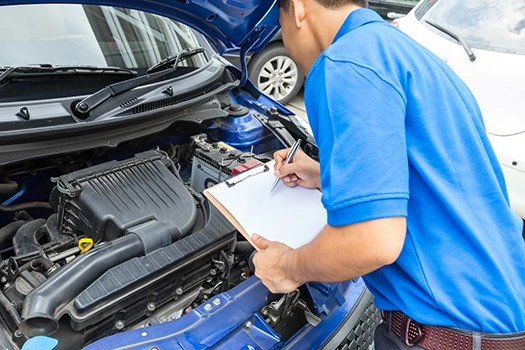
Why your engine warning light isn’t always a disaster
Engine warning light on? Don't panic — but don't ignore it either. Here's what each colour means and what we'll check.
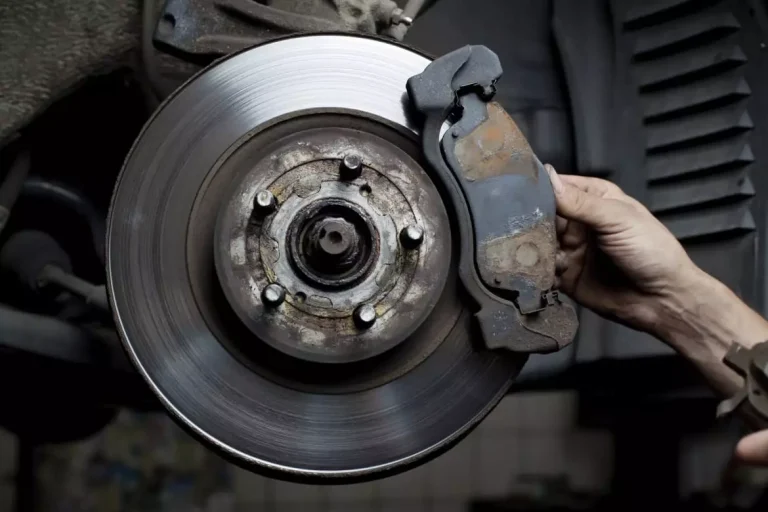
Brake squeaking? Grinding? Pulsing? What each sound actually means
Brake squeak, grind, pulse, pull, or sponge — each sound means something different. Here's what each one is telling you.
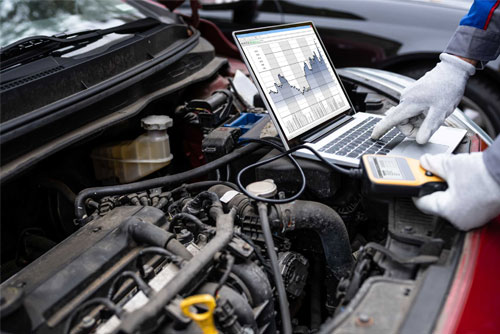
Should you book a service or just an MOT? A simple guide
Many people think an M.O.T. is the same as a service. It isn't. Here's a clear breakdown of which you need and when.
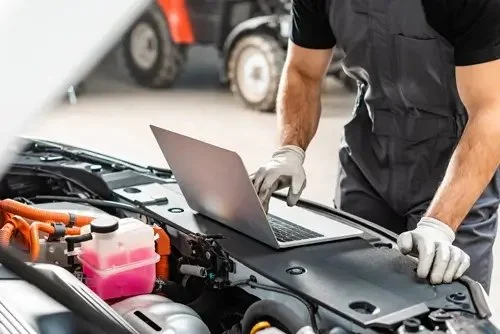
When does my MOT run out? How to check (and what to do next)
Your M.O.T. expiry is a quick check away. Here's how to find it, when you can rebook, and the most common reasons cars fail.
Welcome to our new website
We've launched a brand new online experience for booking your MOT, service and repairs.